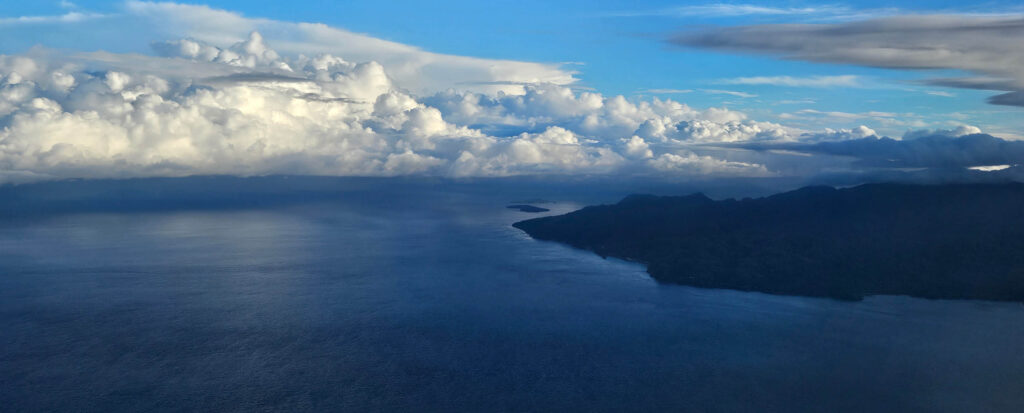
How to Travel to the Moluccas: Moving Between Islands in Eastern Indonesia
“Travel here is not only about reaching islands, but about learning to move at their pace.”
Getting to the Moluccas starts long before you arrive
Travelling to the Moluccas Indonesia is not a simple transition from one destination to another. Long before arriving on the islands themselves, the journey already begins to reshape your sense of time and distance.
For me, the route started in Europe, continued through Istanbul and Jakarta, and eventually led east towards Ambon — the main gateway into the Moluccas. Even before reaching the islands, the journey required patience, flexibility and a willingness to adapt when plans shifted unexpectedly.
Flights changed. Phones stopped working. Bank cards suddenly refused to cooperate. Small things accumulated in ways that slowly made it clear that this was not going to be a tightly controlled itinerary.
And strangely enough, that already felt connected to the rhythm of the islands themselves.
If you are travelling through the wider Moluccas, it helps to understand early on that efficiency is rarely the defining logic here. Distances may look manageable on a map, but movement between islands takes time, weather, coordination and flexibility.
Ambon as the gateway to the Moluccas
Most journeys through the Moluccas begin in Ambon. After arriving from Jakarta, the city functions less as a tourist destination and more as a transition point between worlds.
From Ambon, routes continue outward across the islands — towards places like Banda Islands, Saparua, Seram and many smaller islands spread across the Banda Sea.
Tulehu Port plays an important role in that movement. Depending on where you are going, ferries and smaller speedboats leave from different harbours around Ambon. At first, this can feel slightly chaotic. Schedules shift, information is not always clearly available online, and much still depends on local coordination rather than fixed systems.
But over time, that unpredictability becomes part of the experience itself.
“Nothing here moves entirely according to schedule, and eventually you stop expecting it to.”
Travelling between islands takes time
One of the biggest mistakes travellers can make when planning the Moluccas is underestimating how much time movement between islands actually takes.
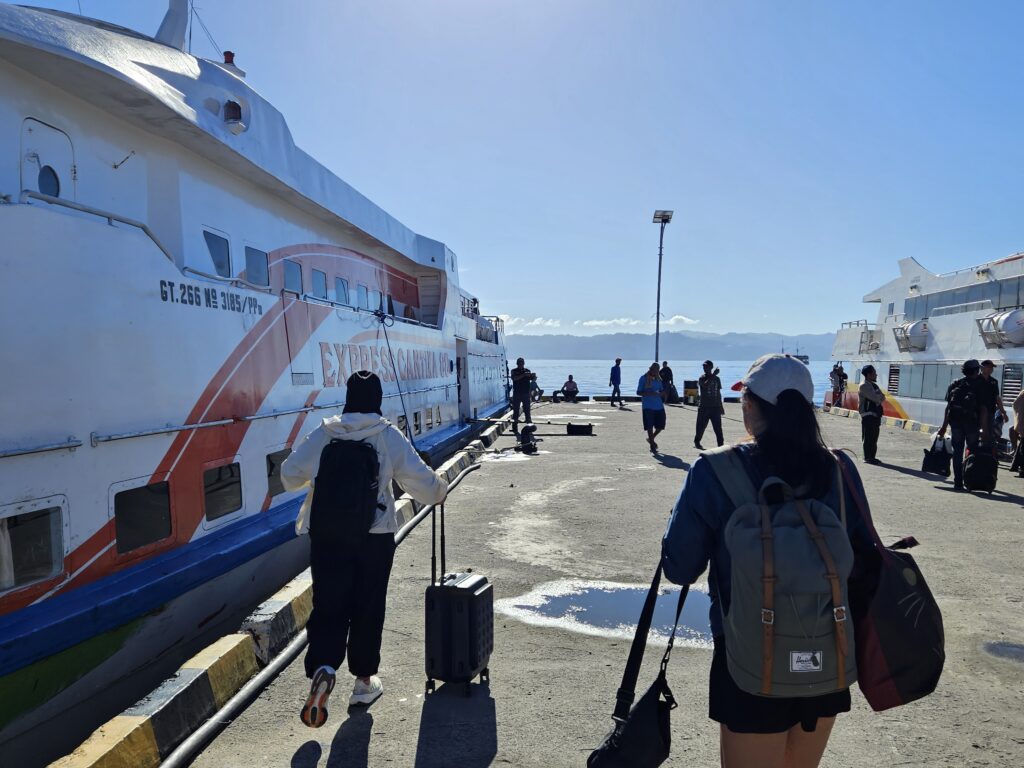
Travelling from Ambon to Banda Neira, for example, took around five to six hours by the public speed ferry Express Cantica 88. The route had only recently opened when I travelled there, and tickets had to be booked in advance through a local booking office. Different ticket classes were available, ranging from economy to first class.
The crossing itself was smooth, but far from static. The sea constantly reshaped the rhythm of the journey. Sometimes the boat moved calmly across open water, while at other moments the movement became rough enough that simply staying seated demanded concentration.
And yet, these crossings rarely felt like wasted time.
Somewhere between islands, travel begins to slow down in a different way. Land disappears, horizons widen, and the journey itself becomes more present than the arrival.
Smaller islands, such as Saparua, were reached by much smaller speedboats departing from Tulehu. These boats moved faster and felt more direct, but also far more exposed to weather and sea conditions. The journeys were beautiful, but they demanded flexibility and trust in the people navigating them.
“You don’t really travel through the Moluccas by itinerary. You travel through them crossing by crossing.”
Banda and Saparua are worth combining
If you have enough time, combining Banda and Saparua makes a lot of sense.
Although distances across the Moluccas can appear large, these islands are relatively close within the broader geography of eastern Indonesia. More importantly, they offer completely different experiences of island life.
The Banda Islands feel historical, volcanic and deeply connected to the story of the spice trade. The atmosphere there revolves around harbours, forts, coral reefs and the weight of history that still quietly shapes the islands today.
Saparua feels different. Slower, more community-oriented, and more connected to everyday life. It was there that travel became less about movement and more about rhythm, conversation and daily routines shaped by the island itself.
Experiencing both creates a much broader understanding of what travelling through the Moluccas can actually be.
If you are interested in the wider atmosphere and rhythm of the islands themselves, I wrote more about that in The Moluccas Indonesia: What It’s Like to Travel Through the Spice Islands.
Plan less tightly than you think
One of the best decisions you can make when travelling through the Moluccas is leaving more room in your itinerary than you think you need.
Delays happen. Boats change departure times. Weather shifts conditions at sea. Heat and humidity slow down your energy far more than expected. And moving between islands often takes longer physically and mentally than the map suggests.
Trying to optimise every day usually creates frustration rather than efficiency.
The journeys became far more enjoyable once I stopped expecting every movement to happen exactly as planned. Waiting at a harbour, drinking coffee somewhere unexpectedly, or simply sitting on a boat watching islands slowly appear in the distance became part of the experience rather than interruptions to it.
“Flexibility here is not a travel tip. It’s part of the structure of daily life.”
How much time do you actually need?
For a journey through the Moluccas that includes islands like Ambon, Banda and Saparua, I would personally recommend at least two weeks on the ground.
And honestly, longer if possible.
A large part of travelling here is movement itself. Reaching islands takes time, and once you arrive somewhere, leaving immediately often feels rushed in a way that does not suit the rhythm of the region.
Three weeks, including international travel, feels much more natural if you truly want to experience different islands rather than simply pass through them.
Because the Moluccas are not really a destination that reveals themselves quickly.
What travelling here quietly changes
What stayed with me most was not a single place, but the gradual shift in perspective that happened while moving through the islands.
You begin by trying to organise everything. Flights, transfers, departure times, schedules. But somewhere along the way, that structure loosens. You stop measuring days only by productivity or efficiency, and start paying attention to smaller things instead.
The sound of engines crossing open water. The stillness of early mornings in small harbours. Conversations unfolding without urgency. Children gathering the moment something happens. Islands appearing slowly on the horizon after hours at sea.
Travelling through the Moluccas changes less about where you are, and more about how you move through a place.
And perhaps that is what makes the region stay with people long after they leave.

An open question
Travelling through the Moluccas often means letting go of the idea that movement should always be fast, efficient or predictable. Journeys take longer, plans shift, and waiting becomes part of the experience rather than something separate from it.
In many ways, the islands quietly resist the pace most travellers arrive with.
The question is not whether that rhythm is better or worse, but what becomes visible once you stop trying to move faster than the place itself.
Continue Exploring The Moluccas
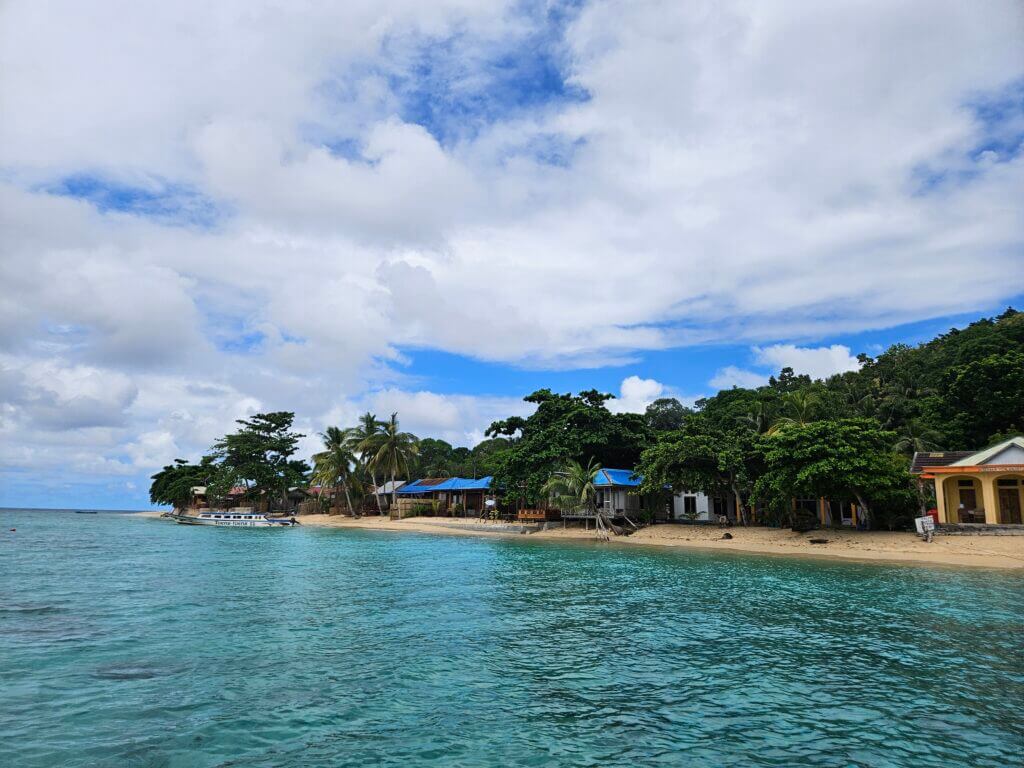
A journey into Indonesia’s original Spice Islands, where colonial history, volcanic landscapes and long sea crossings shape one of the most layered experiences within the Moluccas.
Travelling through the Moluccas slowly shifts your relationship with distance, time and movement. What begins as a journey between islands gradually becomes something far less structured and far more immersive.