
A region where distance, time, and expectation don’t behave the way you’re used to.
There are places you arrive at, and places you need to prepare yourself for. Karamoja belongs to the latter.
Not because it is difficult to reach, but because it changes the way you move long before you get there.Distances stretch, plans shift, and the idea of “fitting things in” slowly disappears; something that often only becomes visible when you allow yourself to travel more slowly. What initially feels inefficient begins to make sense once you understand that this is not a region built around convenience.
Knowing that beforehand doesn’t make the journey easier — but it makes it clearer.
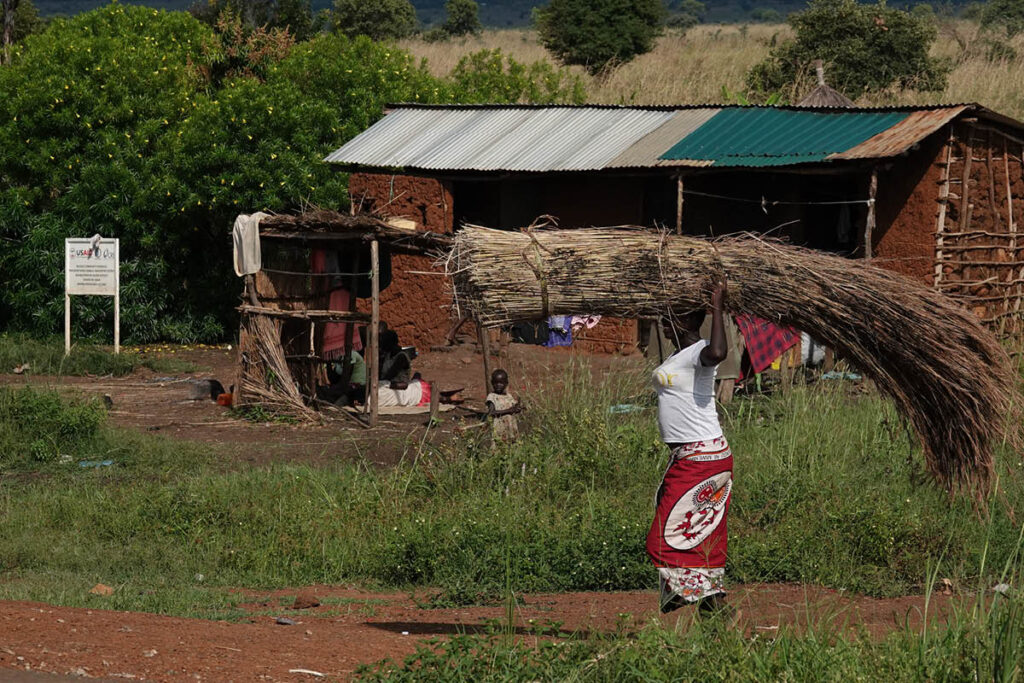
Reaching Karamoja is relatively straightforward, but rarely quick. Most journeys begin in Entebbe or Kampala, heading east towards Jinja and Mbale before continuing north into the region.
The first part of the journey feels familiar. From Kampala to Jinja takes around two hours, depending heavily on traffic through Mabira Forest. From Jinja to Mbale, expect another three hours on the road. Mbale is often the last place to prepare properly, whether that means withdrawing cash or arranging final supplies.
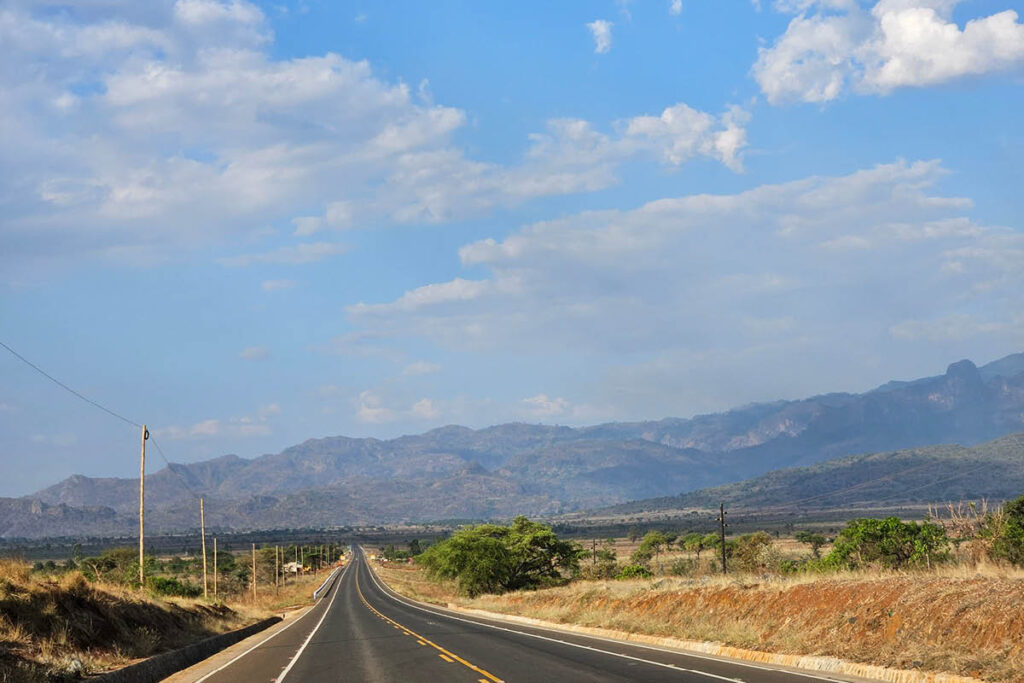
From there, the transition begins. The drive from Mbale to the southern edge of Karamoja, near Chepsikunya, takes roughly two hours, after which the landscape opens up and the sense of distance becomes more noticeable.
Within Karamoja itself, travel continues at a different pace. Driving from Pian Upe to Moroto takes about two hours, while the journey further north to Kidepo Valley National Park stretches to five or six hours. From the western side, Kidepo can also be reached from Gulu in approximately four to five hours.
Distances are not extreme, but they take longer than expected. Not because the roads are always poor, but because travel here is less direct, and rarely rushed.
“The journey isn’t defined by distance, but by how gradually everything begins to change.”
Karamoja is often underestimated in terms of time. What looks like a manageable addition to a broader Uganda itinerary quickly turns into a journey where most of the time is spent moving.
A short visit rarely allows you to experience the region beyond the road. Travel alone takes time, and once you arrive, the experience depends on slowing down rather than continuing.
Allowing at least four to five days creates space to reach the region, explore one or two areas, and begin to adjust to its rhythm. With more time, Karamoja starts to unfold more naturally. Combining places like Pian Upe, Moroto, and Kidepo Valley National Park creates a more complete experience, where movement and stillness begin to balance each other out.
Trying to compress it into less time usually results in seeing the region without really being in it.
Karamoja carries a reputation that does not always reflect its current reality. Over the years, security has improved significantly, and travel within the region has become far more accessible than it once was.
That does not mean it is a place to navigate without awareness. Safety here is less about avoiding specific risks, and more about understanding context. Knowing where you are, how to move through the region, and when to rely on local knowledge makes a clear difference.
Travelling with a driver or guide is strongly recommended, not only for navigation, but also because language can become a barrier. English is not as widely spoken in Karamoja as in other parts of Uganda, especially outside larger towns. Having someone with you who understands the region and its people makes travel smoother and more connected.
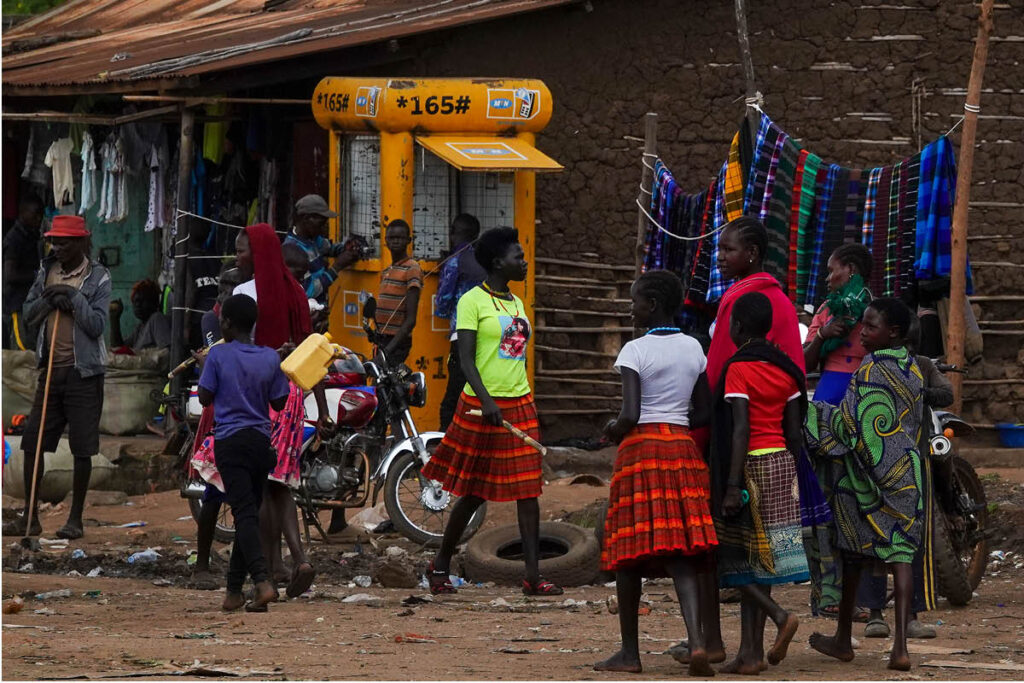
“Feeling at ease here comes from understanding the place, not from controlling it.”
The timing of your visit shapes both how the region looks and how easily you move through it. Karamoja follows a slightly different seasonal pattern than other parts of Uganda, which makes the decision less straightforward than simply choosing between dry or rainy seasons.
During the dry months, roughly from December to March and June to August, travel is more predictable. Roads are easier to navigate, and wildlife is more visible, particularly in open areas like Pian Upe Wildlife Reserve.
The green season transforms the landscape entirely. Colours deepen, vegetation thickens, and the region feels more alive. At the same time, travel becomes less predictable, and certain routes may take longer than expected.
There is no single best time to visit Karamoja. The choice depends on whether you prioritise ease of travel or the intensity of the environment.
“There is no perfect moment to go, only different ways the landscape reveals itself.”
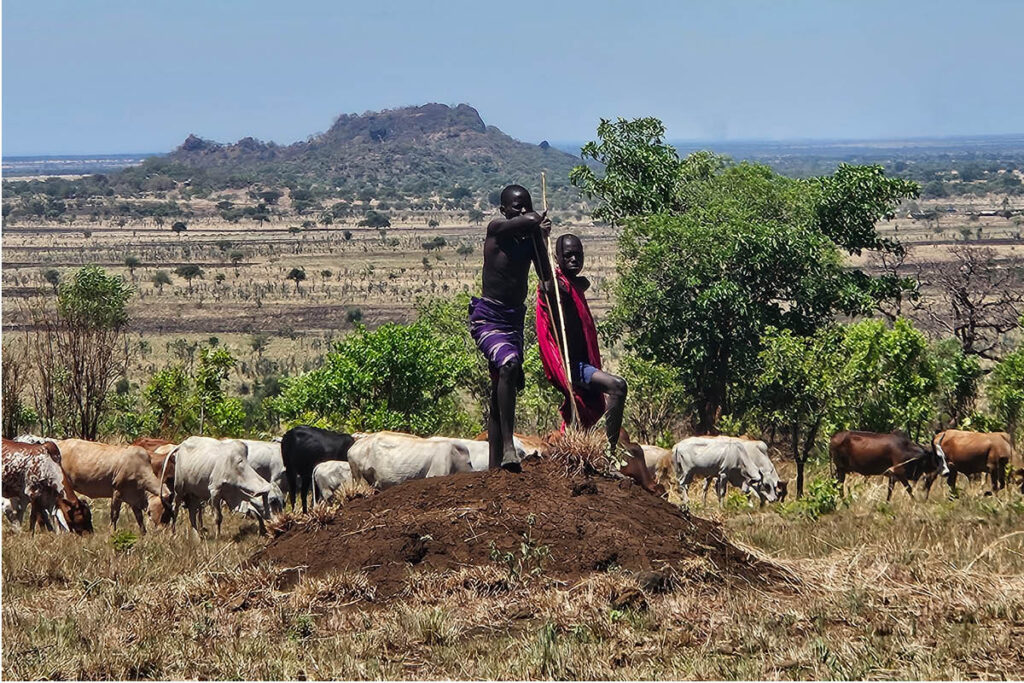
What most people underestimate is not the distance, but the time it takes to move through it — something that becomes much clearer once you understand how Karamoja actually works as a region. Average driving speeds rarely exceed 50 kilometres per hour, and journeys often take longer than expected.
But more importantly, Karamoja does not follow a fixed rhythm. Plans can shift, timing is flexible, and the idea of moving efficiently from one place to another becomes less relevant.
Many travellers pass through the region too quickly, heading straight to Moroto or Kidepo without stopping along the way. In doing so, they miss places like Pian Upe Wildlife Reserve, which often becomes one of the most defining parts of the journey.
Another common mistake is underestimating the need for cash. Outside of larger towns like Mbale and Moroto, banking infrastructure is limited, and most transactions are done in cash. While mobile money is widely used locally, it requires preparation in advance.
Daily travel in Karamoja is shaped less by plans and more by progression. Days are not built around a sequence of activities, but around movement, pauses, and the natural rhythm of the environment.
You may spend hours on the road without encountering another vehicle, moving through landscapes that feel open and uninterrupted. Time becomes less defined, and the distinction between travelling and arriving slowly disappears.
What begins to change is not what you do, but how you move. There is less urgency, fewer fixed expectations, and more space to observe what unfolds along the way.
It is not a place where days are filled — it is a place where they expand. What you do within that time, however, is more varied than it might initially seem.
“Days don’t fill themselves here; they stretch, quietly and without urgency.”
At first, Karamoja can feel like a place where there is little to do. Not because there is nothing happening, but because very little is presented in a structured way. There are no clearly defined highlights, no fixed routes, and no expectation of how you should move through the region.
But once you begin to look beyond that, it becomes clear that there is far more to experience than it initially seems.
Wildlife is one of the most obvious entry points. In Pian Upe Wildlife Reserve and Kidepo Valley National Park, game drives offer a quieter and less predictable version of safari. Sightings are not guaranteed, and that is exactly what makes them different. It becomes less about what you see, and more about how you move through the landscape.
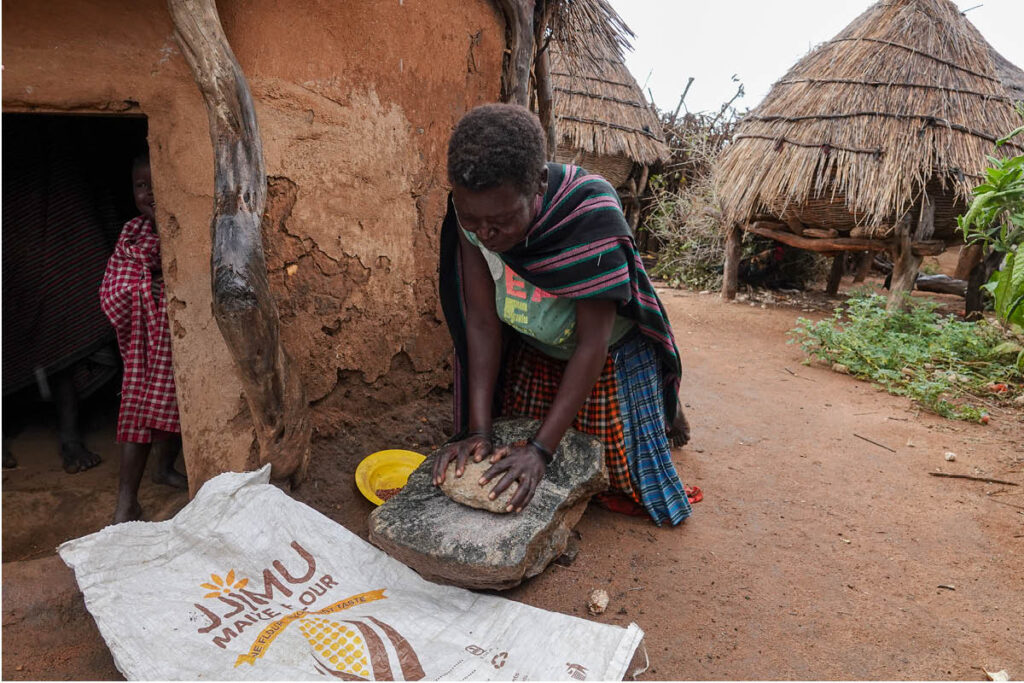
“What you can do here isn’t always obvious, but it’s everywhere once you start looking.”
Beyond that, the region is shaped by its mountains. Mount Kadam, Mount Napak, and Mount Moroto all offer opportunities for hiking, ranging from shorter walks to multi-day treks. Even without reaching the summit, moving through these areas on foot changes your perspective completely.
Slower experiences exist everywhere in between. Nature walks around Pian Upe, birding across reserves like Bokora and Matheniko, and time spent in smaller communities all reveal a different side of the region. Markets such as Namalu or Kotido bring a completely different rhythm, where daily life unfolds in a way that feels both ordinary and unfamiliar at the same time.
What becomes clear over time is that Karamoja is not defined by a list of activities. It is defined by how much you are willing to engage with what is already there.
Karamoja is not a destination for travellers looking to move quickly or follow a structured itinerary. It requires time, flexibility, and a willingness to adapt to a different pace.
It is not the right place for those expecting consistent comfort, fixed schedules, or immediate results. Accommodation is often simple, power cuts are common, and travel can be unpredictable.
At the same time, for those who are willing to slow down, Karamoja offers something that is increasingly difficult to find. A way of travelling that is less about reaching specific points, and more about understanding what happens in between them.
What stays with you is not a single place or moment, but the realisation that travel does not always need to be efficient to be meaningful. And once that shift happens, it becomes difficult to experience other places in the same way again.
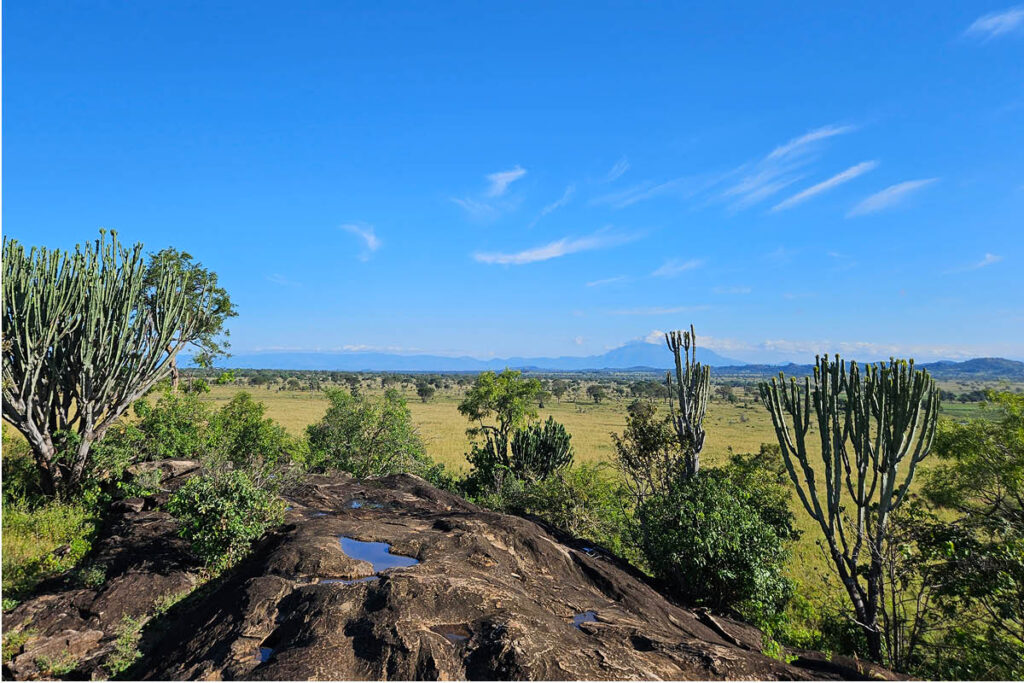
“Karamoja is not defined by how you get there, but by how you choose to move once you arrive.”