Best Time to Visit Karamoja Uganda (And What Actually Changes When You Do)
“There is no perfect moment to visit Karamoja;
only different ways the landscape changes and how you move through it.”
Karamoja doesn’t follow the seasons the way you expect
The best time to visit Karamoja Uganda is not as straightforward as it seems. Timing a trip to Karamoja is less straightforward than it might seem. While much of Uganda follows relatively predictable seasonal patterns, this region behaves slightly differently. Rain does not always arrive when you expect it, and dry periods can stretch or shift in ways that make planning feel uncertain.
But the real difference is not in the weather itself. It is in how much that weather changes the way you travel through the region.
Understanding that early on makes a significant difference. Not because it gives you control, but because it changes your expectations.
Travelling during the dry months: what becomes easier
During the dry months, roughly from December to March and again from June to August, movement through Karamoja becomes more predictable.
Roads are firmer, river crossings are less of a concern, and the overall pace of travel is easier to manage. Distances that might feel uncertain in other seasons become more consistent, allowing you to plan your days with slightly more confidence.
In areas like Pian Upe Wildlife Reserve, wildlife is often easier to spot as vegetation thins out and animals gather closer to remaining water sources. Not because there is more wildlife, but because visibility improves. For current park information and access conditions, it helps to check with the Uganda Wildlife Authority.
None of this makes travel effortless. It simply removes some of the variables that tend to shape the journey.
Travelling during the green season: what changes on the ground
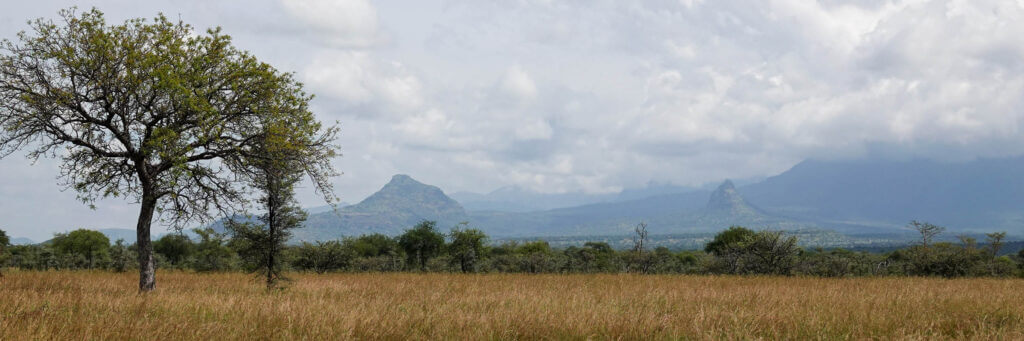
When the rains arrive, the region shifts almost immediately. The landscape turns green, vegetation thickens, and the sense of openness becomes more layered and alive.
At the same time, the practical side of travelling changes.
Roads that were once firm can become soft and unpredictable. Certain routes may take longer than expected, or require adjustments along the way. In more remote areas, it is not unusual to encounter stretches of road where progress slows down significantly. Understanding how to travel to Karamoja Uganda makes it easier to anticipate how these conditions affect your route.
This does not make travel impossible. But it does require a different mindset. Planning becomes less fixed, and flexibility becomes part of the journey rather than something you fall back on.
What most people don’t realise about timing
What often gets overlooked is that timing in Karamoja is not just about weather conditions. It directly influences how you structure your entire journey.
During the dry season, you can move more efficiently between places. In the green season, the same distances can take longer, not because they are far, but because the journey demands more attention.
This also affects how much you can realistically include in your route. Trying to follow a tightly planned itinerary during the rainy months often leads to frustration, while allowing more space tends to create a smoother experience.
This is why the best time to visit Karamoja Uganda is not defined by the season or weather alone, but by how it shapes your movement through the region.
So what is the best time to visit Karamoja Uganda?
There is no single answer to that question. If you prefer more predictable travel conditions, easier road access, and slightly more structure in your days, the dry months offer a more stable experience.
If you are drawn to landscapes that feel more alive, less defined, and more dynamic, the green season brings a different kind of intensity. Not always easier, but often more immersive.
The choice is less about finding the right time, and more about understanding what each period changes.
Timing doesn’t define the experience, but it shapes how you move
Karamoja is not a place where timing determines whether a journey is worthwhile. What it does change is how you move through it, how you plan, and how much you need to adapt along the way.
If you want a broader understanding of how travel in the region works beyond just timing, it helps to read Karamoja Uganda: a different side of travel in East Africa, where the focus shifts from planning to experiencing how the region actually unfolds.
Timing is only one of several practical questions that tend to come up before travelling to Karamoja. And if you are planning your route in more detail, understanding how travel to Karamoja works in practice gives further context to how these seasonal differences play out on the road.


An open question
Timing is often treated as the first decision when planning a journey. A way to control conditions, to optimise experiences, to choose the moment when everything is expected to align.
But in a place like Karamoja, that idea begins to shift. The landscape does not simply change with the seasons. It changes how you move through it, how you make decisions, and how much you are willing to adjust along the way.
Perhaps the question is not when the region is at its best, but how you respond when it isn’t exactly what you expected.
Continue Exploring Karamoja

A broader introduction to how distance, timing and daily rhythm shape the experience of travelling through Karamoja.
A quieter wildlife reserve where movement slows down and the landscape reveals itself gradually beyond the main road.