
What began with form and material shifted through travel into a broader way of looking and understanding, until JANBOELO no longer felt like a label, but a way of paying attention.
My name is Jan Boelo, trained as a fashion designer with a background rooted in craftsmanship, form and material. After studying at the Utrecht School for the Arts and working in ateliers in Amsterdam and Paris, I launched JANBOELO as an independent fashion label. From the beginning, the work was driven by a desire to make strong, expressive pieces — clothing as a form of presence rather than decoration.
The collections were bold, graphic and uncompromising, and they found their way onto stages, red carpets and into wardrobes of musicians, performers and artists. That period brought visibility and momentum, and eventually led to the introduction of ready-to-wear collections and international recognition.
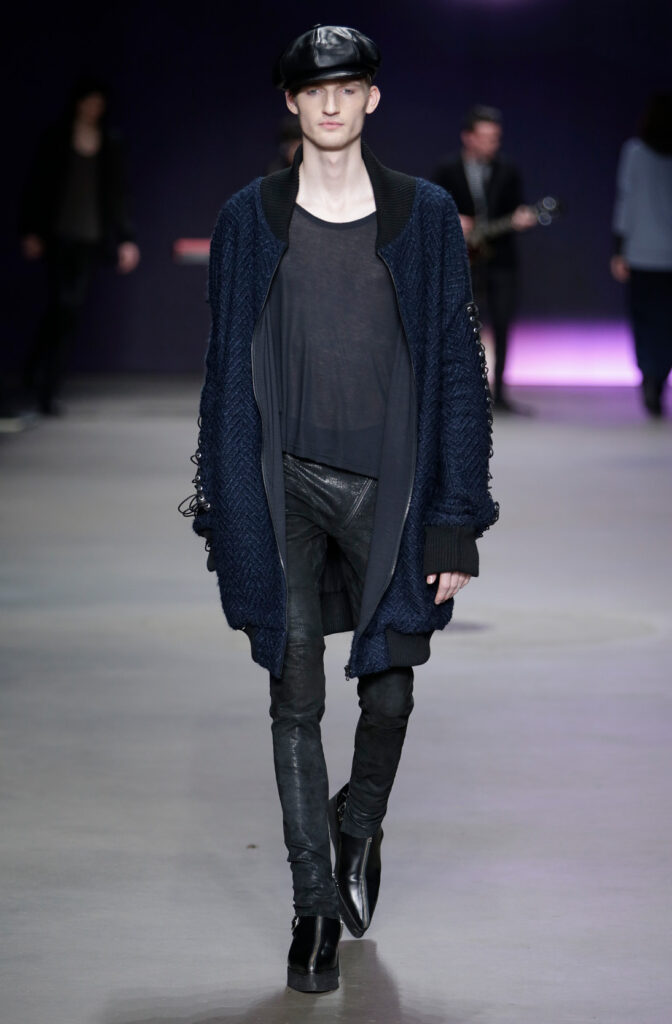
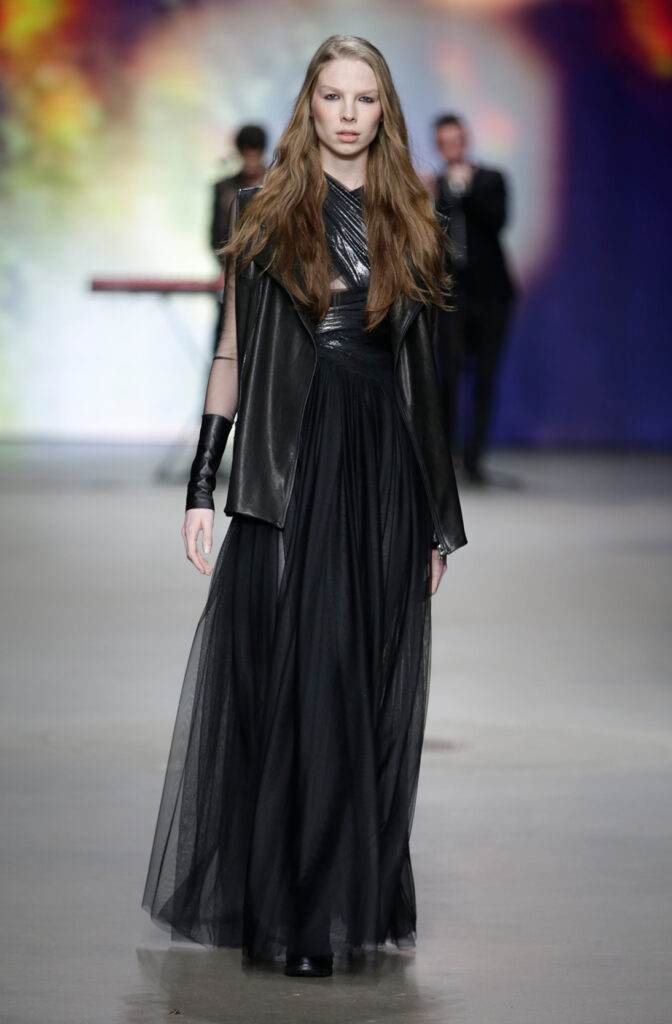
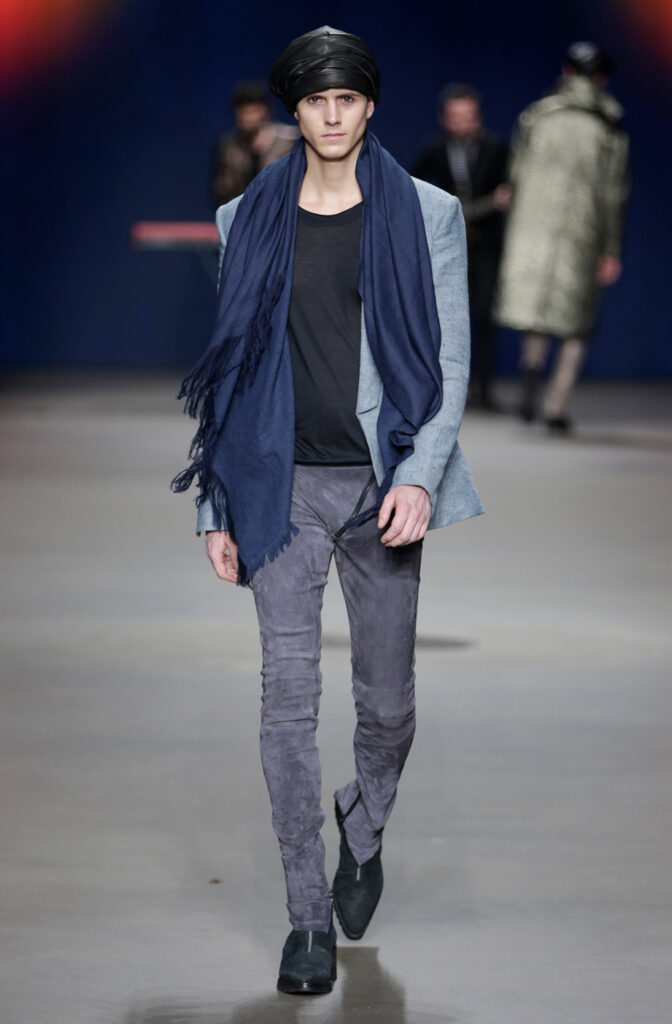
As JANBOELO grew, so did the expectations surrounding it. Larger collections, tighter timelines, higher volumes. What initially felt like freedom slowly became structure, and structure turned into pressure. Targets and sales figures began to dictate creative decisions, and speed replaced reflection.
At the same time, my understanding of the fashion industry deepened. I became increasingly uncomfortable with mass production, overconsumption and the short lifespan of clothing. The world did not need more garments produced at a relentless pace — and I no longer wanted to be part of a system that rewarded exactly that.
What I missed was the quiet satisfaction of making something with attention, something that carried meaning beyond a single season.
Choosing to slow down meant stepping away. I put the fashion industry on pause, not as a rejection of making, but as a refusal to continue without conviction. That pause created space — mentally and practically — to reassess what mattered, and what did not.
During this period, travel became less about inspiration and more about orientation.
Spending extended time in places such as Uganda and Kenya reshaped how I looked at the world, and at my own position within it. Encounters with people, daily routines, local craftsmanship and lived realities offered perspective that could not be accessed from a distance. In regions like Karamoja, contrasts became impossible to ignore — between abundance and scarcity, speed and patience, production and presence.
These experiences were confronting at times, but also grounding. They clarified how insulated life in the West can be, and how easily value becomes detached from effort, context and consequence. Travel, in this sense, was not escape, but education.
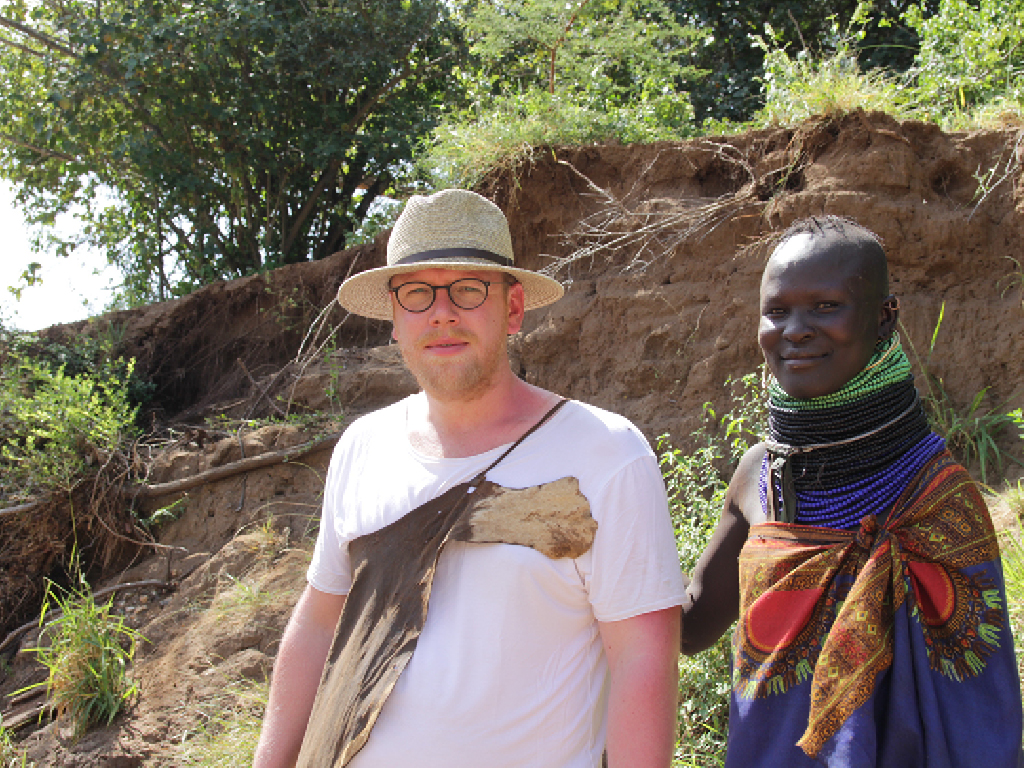
JANBOELO no longer operates as a fashion label in the conventional sense. It is now a personal, independent platform where writing, observation and making come together. Stories, notes and reflections shaped by time spent on the road — and by time spent with makers, artisans and workshops where craft is still practiced by hand.
Travelling often leads me to places where materials are woven, shaped or taught with care: small ateliers, weaving communities, initiatives where skills are passed on and work becomes a means of independence. These encounters are part of the same process — not separate from travel, but deeply connected to it.
It is a space where context matters more than outcome, and where ideas are allowed to exist before they take form.
Although JANBOELO has shifted away from fashion as an industry, making remains an essential part of my practice. In a quieter, more deliberate form. Through Luymes&Drenth, I continue to work with objects, garments and materials — guided by craftsmanship, curiosity and care rather than volume or speed. This work is still in its early stages, evolving naturally and without pressure.
It reflects a return to the essence of making: working with the hands, respecting time, and allowing ideas to develop without forcing them into a market.
JANBOELO exists alongside my making practice as a place for reflection — shaped by travel, repetition and the act of returning. The same attention that guides movement through places also informs how materials are handled, how garments are constructed, and how craft is approached with patience rather than urgency.
Clothing and objects are not treated as results, but as part of a longer process of learning, listening and refining. Making, like travelling, unfolds over time.
JANBOELO does not mark an arrival. It remains a space in motion — attentive, unfinished, and open to what develops next.